
What Are Exosomes?
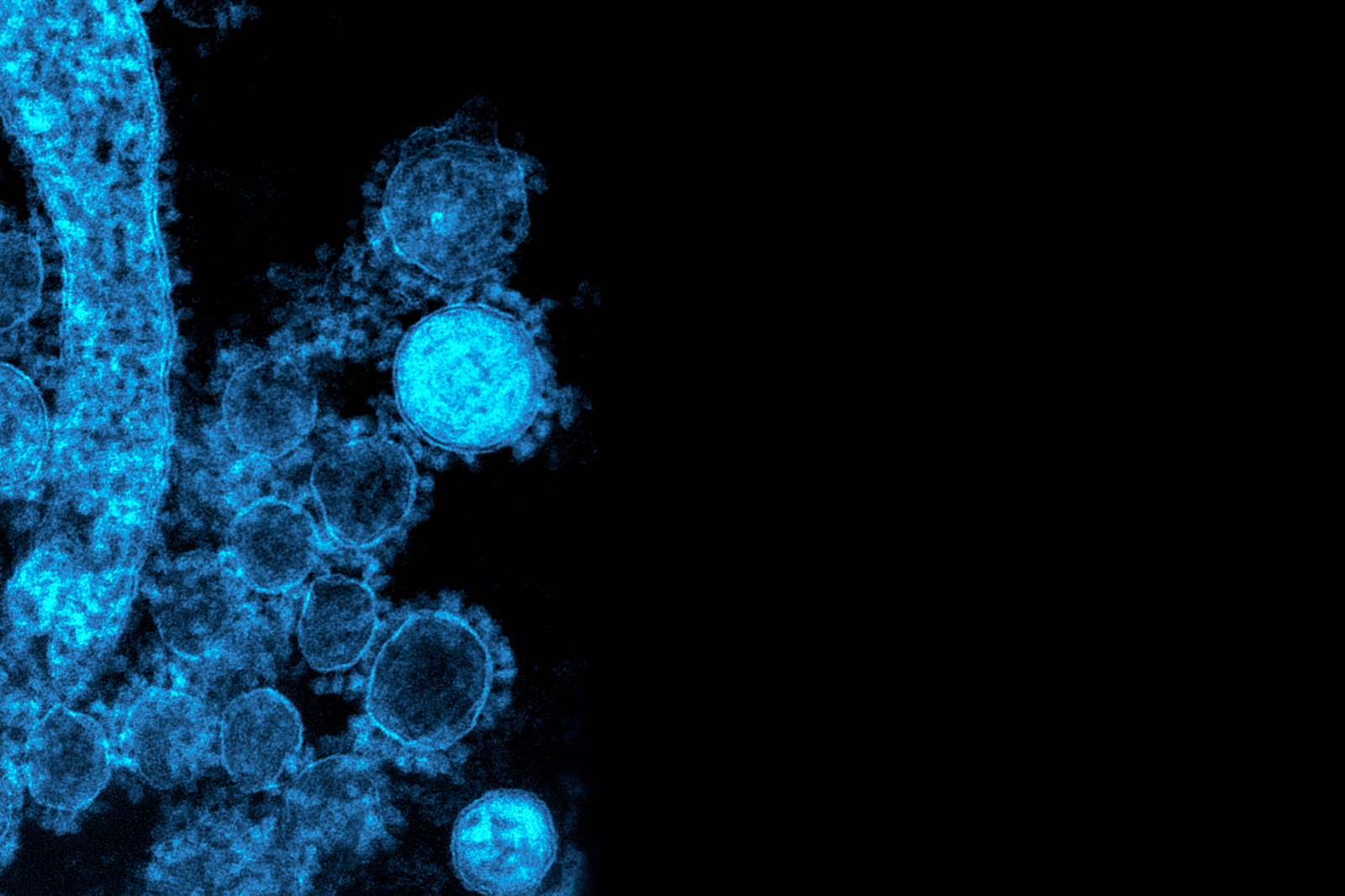
Cells do not communicate only through direct physical contact or soluble signaling molecules. They also communicate by releasing extracellular vesicles (EVs)—small, membrane-bound particles that can transport biologically active molecules from one cell to another.
Among the different types of extracellular vesicles, exosomes have attracted substantial scientific interest because of their role in intercellular communication and their ability to carry proteins, lipids and nucleic acids. Research into EVs has expanded rapidly across molecular biology, regenerative medicine, diagnostics, drug delivery and other areas of biomedical science.
Importantly, the terminology surrounding EVs has evolved. According to the MISEV2023 guidelines, extracellular vesicles are lipid-bilayer-delimited particles that cannot replicate independently. The term exosome should ideally be reserved for vesicles whose endosomal origin has been experimentally demonstrated. When the exact biogenesis pathway cannot be established, researchers are encouraged to use broader terminology such as small extracellular vesicles (sEVs).
This distinction is important because EV preparations can contain heterogeneous populations of vesicles and other extracellular particles.
Understanding Extracellular Vesicles
Extracellular vesicles are membrane-bound particles released by cells into the extracellular environment. They are found in biological fluids and tissues and participate in communication between cells.
EVs are not simply cellular waste particles. They can contain a biologically complex cargo reflecting aspects of the cell from which they originated. This cargo may include:
- Proteins
- Lipids
- Messenger RNA (mRNA)
- MicroRNAs (miRNAs)
- Other RNA species
- Metabolites
- Cell-surface molecules
Once released, EVs can interact with other cells through several mechanisms, including receptor-mediated interactions, membrane fusion and cellular uptake. These processes can influence the behavior and function of recipient cells.
Exosomes and Other Extracellular Vesicles
One of the most important concepts in EV biology is that extracellular vesicles represent a broad and heterogeneous group of particles.
Historically, researchers commonly described EV populations using terms such as:
- Exosomes
- Microvesicles
- Ectosomes
- Apoptotic bodies
However, modern EV research recognizes that classification based solely on size or presumed origin can be problematic. The current MISEV framework therefore encourages researchers to describe EV populations using measurable characteristics, such as physical properties, molecular markers, source and experimental isolation methods.
In simplified terms, exosomes are generally discussed as a type of small extracellular vesicle associated with the endosomal pathway, whereas other EV populations can originate through different cellular mechanisms.
How Are Exosomes Generated?
The formation of exosomes is closely associated with the endosomal system of the cell.
A simplified model begins when the plasma membrane undergoes endocytosis, creating intracellular compartments known as endosomes. These compartments can mature and develop into multivesicular bodies (MVBs).
Within an MVB, portions of the endosomal membrane bud inward to form small intraluminal vesicles. When the MVB subsequently fuses with the plasma membrane, these vesicles can be released into the extracellular environment.
These released vesicles are commonly referred to as exosomes when their endosomal origin has been demonstrated.
The process involves complex cellular machinery and molecular sorting mechanisms that influence which molecules become associated with the vesicles.
What Do Exosomes Carry?
One of the most scientifically interesting properties of EVs is their molecular cargo.
Rather than acting as empty lipid particles, EVs can carry combinations of biological molecules. Their molecular composition can vary depending on the cell type, cellular state and surrounding biological environment.
1. Proteins
EVs may contain membrane-associated and intravesicular proteins involved in: Cell signaling Membrane trafficking Adhesion Cellular interactions Regulation of recipient-cell activity
2. Lipids
Because EVs are surrounded by lipid membranes, lipids are an important structural and functional component of these particles.
3. RNA
EVs can also transport different RNA species, including mRNA and non-coding RNAs such as microRNAs.
These RNA molecules have attracted significant research interest because they can potentially influence gene expression and cellular pathways in recipient cells.
The composition of EV cargo is not necessarily random. Cellular sorting mechanisms can influence which molecules become enriched within particular vesicle populations.
How Do Extracellular Vesicles Communicate With Other Cells?
After release, extracellular vesicles can travel through the extracellular environment and interact with recipient cells.
Several mechanisms may contribute to this interaction.
Receptor-Mediated Interaction
Molecules on the surface of an EV can interact with receptors or adhesion molecules on a recipient cell.
Endocytic Uptake
A recipient cell may internalize extracellular vesicles through cellular uptake mechanisms, bringing the vesicle into the cell.
Membrane Fusion
Under certain biological conditions, vesicle and cellular membranes can interact or fuse, potentially allowing cargo to enter the recipient cell.
Cargo Delivery
Once internalized or otherwise delivered, EV-associated molecules can participate in signaling pathways within the recipient cell.
These mechanisms form part of a broader biological communication network through which cells can influence one another without direct cell-to-cell contact.
Why Is Exosome Biology Important?
The importance of extracellular vesicles extends beyond basic cell biology.
Because EVs can carry molecular information from their cells of origin, researchers are investigating their potential roles in several areas.
1. Biomarker Research
EV-associated molecules can reflect aspects of the physiological or pathological state of their source cells.
This has made EVs an area of interest for biomarker discovery and liquid biopsy research. Researchers are investigating EV-associated proteins and nucleic acids as potential indicators of disease processes and cellular changes.
2. Regenerative and Tissue Research
Extracellular vesicles derived from certain cell types, particularly mesenchymal stromal/stem cell systems, are being investigated for their cell-free biological effects.
Rather than transferring an entire living cell, EV-based approaches focus on the molecular signals and cargo associated with vesicles.
This has generated significant interest in areas such as tissue repair, immune modulation and regenerative biology. However, much of this field remains under active investigation, and clinical translation requires rigorous characterization and controlled clinical evidence.
Exosomes in Diagnostics and Biomedical Research
The molecular cargo of EVs has made them particularly interesting for diagnostic research.
EVs can be detected in biological fluids, and researchers are exploring whether their molecular signatures can provide information about disease states.
Research has investigated EV-associated biomarkers in areas including:
- Oncology
- Cardiovascular disease
- Neurological disorders
- Inflammatory conditions
- Metabolic diseases
- Infectious diseases
A major advantage of EV research is that the vesicles can provide a molecular snapshot associated with their cellular source. At the same time, isolating specific EV populations from complex biological samples remains technically challenging.
From Research Concept to Translational Science
The growing interest in extracellular vesicles has also created important scientific challenges.
Simply identifying nanoparticles in a sample is not sufficient to establish their biological identity or function.
Reliable EV research requires careful consideration of:
- Source
- What cell or biological system produced the EVs?
- Isolation
- How were the vesicles separated or concentrated from the original biological material?
- Characterization
- What physical and molecular characteristics have been demonstrated?
- Purity
- What other particles, proteins or contaminants may be present?
- Cargo
- Which biological molecules are associated with the EV population?
- Potency and Function
- Can a reproducible biological activity be demonstrated using appropriate experimental models?
- Manufacturing and Quality Control
- Can the material be produced consistently with appropriate quality attributes?
These considerations are particularly important as EV research moves from laboratory investigation toward translational and clinical applications. Current literature identifies standardization, dose definition, characterization, scalable manufacturing, quality control and regulatory requirements among the major challenges facing the field.
Exosomes Are More Than Just Nanoparticles
The scientific value of exosomes and other extracellular vesicles lies in their biological complexity.
They represent a natural mechanism through which cells can package and transport molecular information. Their ability to carry proteins, lipids and nucleic acids has made EVs an important subject of research in cell biology, molecular medicine, diagnostics and therapeutic development.
At the same time, it is important to distinguish scientific potential from established clinical evidence.
The EV field is rapidly developing, but significant questions remain around standardized characterization, manufacturing, dosing, mechanisms of action and clinical efficacy. A systematic review of EV-related clinical trials has highlighted substantial methodological heterogeneity, reinforcing the need for rigorous and reproducible research.
For this reason, the future of exosome science will depend not only on discovering new biological functions, but also on establishing consistent analytical methods, robust quality frameworks and evidence-based translational pathways.
The Future of Extracellular Vesicle Research
Extracellular vesicle research is moving toward increasingly precise characterization of individual EV populations, their molecular cargo and their biological functions.
Emerging research is exploring:
- More precise EV subpopulation analysis
- Advanced nanoparticle characterization
- Molecular profiling of EV cargo
- EV-based biomarker platforms
- Targeted delivery systems
- Cell-free regenerative strategies
- Scalable manufacturing technologies
- Improved quality-control frameworks
As the field advances, the terminology and methodology are also becoming more rigorous. Modern EV science increasingly emphasizes what can be experimentally demonstrated rather than relying solely on assumptions about vesicle origin or function.
Editorial article prepared for this preview. Product-specific and batch-specific data are issued with formal documentation and are not attached on this page.
이 주제에 대해 논의하십시오